

Set the bust size. Pick a hairstyle. Choose an art style. Generate.
The first image may look exactly like the character you had in mind. Then you ask for a second picture, this time from the side, and she comes back with a different jaw. In a video, the hair shifts colour halfway through. In chat, the supposedly reserved character suddenly speaks like an overexcited game-show host.
One screen was easy. A character you recognize from one scene to the next is a tougher job.
Adult AI girlfriend tools often advertise the visible choices first: breasts, body type, clothes, pose. Those controls matter to someone making an intimate fantasy. But they’re only part of the product. Once images, video and conversation sit under the same character profile, every result has to agree on who that character is.
Tech hardware reviewers know a version of this problem. A monitor can look excellent in one promotional photo; the questions begin when you change the content, lighting and settings. With a generated character, the second image is where the questions begin.
One slider cannot carry a whole character
Say you choose a tall adult character with dark, cropped hair, a particular figure and a scar near her eyebrow. A still portrait gives the generator one chance to arrange those details. Ask for her sitting at a café table and it has to solve a new pose, new lighting and a partly hidden body. Ask for a close-up and the scar suddenly matters more than the figure. Ask for video and the choices have to hold together across moving frames.
That explains why a body control can feel precise in the setup screen but less precise in the results. Selecting a feature is a request. The generated image is the model’s attempt to interpret that request alongside everything else you specified.
More detail does not always help. A prompt crammed with measurements, camera instructions, clothing descriptions and mood words can produce an image that technically contains them all but looks oddly assembled. The character has the requested features. She doesn’t look as if she belongs in the room.
A better comparison uses the same person in different circumstances. Put her by a window in the first image. Move her outdoors in the next. Keep the hair, face and build consistent while the light changes. If you find yourself having to identify her by the outfit, the character design needs work.
Joi’s adult AI girlfriend character generator https://joi.com/generate/sexy-teen-ai brings appearance choices, personality settings, chat, images and video into one character workflow. Its page describes controls for features including physique and bust size. That makes it a useful example of the larger design question: how well do choices made at creation carry through to later scenes? A feature list tells you what you can request. Comparing several outputs tells you more about what you’ll actually get.
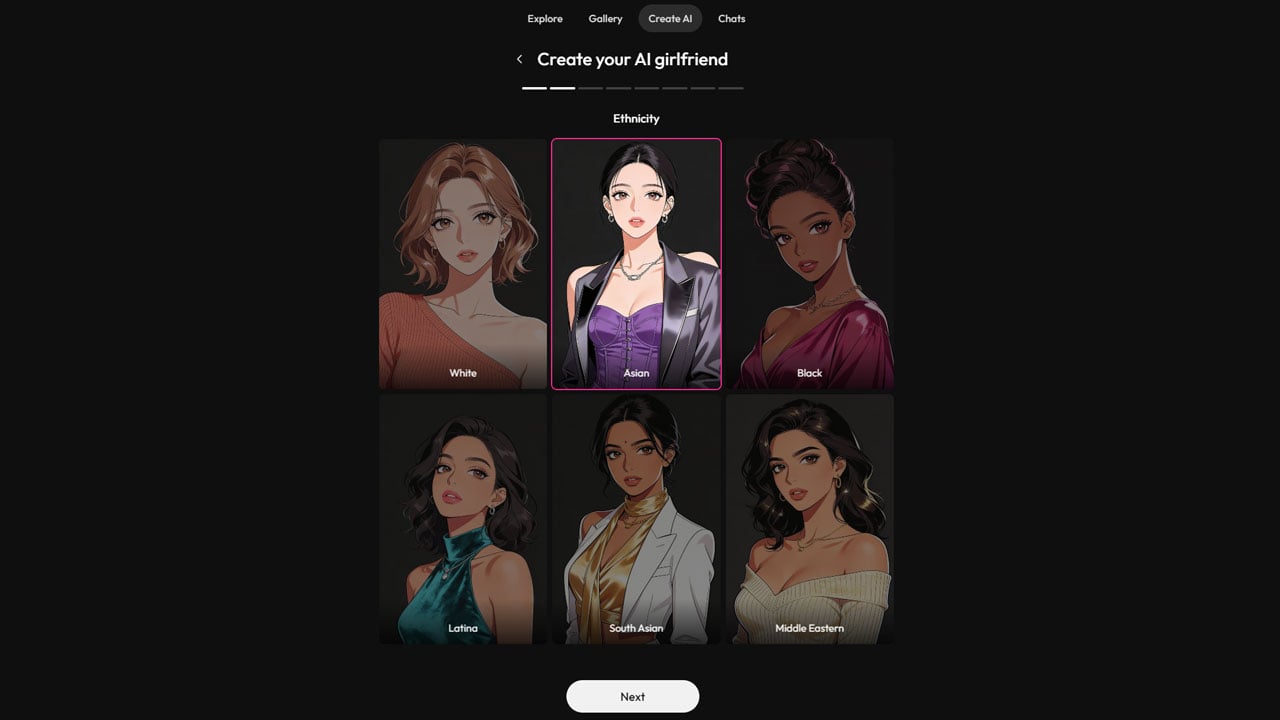
There’s a temptation to keep pressing generate until one gorgeous image appears. Resist calling that a successful character test. Save the image, certainly. Then ask for something less forgiving: a different angle, an ordinary expression, a scene without dramatic lighting. A character who only works as a glossy portrait won’t give you much range.
The face gets remembered; the small mistakes get noticed
People are good at noticing when a familiar face seems off. The change may be difficult to name. The eyes are a little farther apart. The smile belongs to a different person. Hair that should fall above the shoulders now reaches the waist.
Video makes these slips harder to conceal. A character turns her head, and the model has to account for details that were invisible in the starting frame. Jewellery can change shape. An arm can move awkwardly. A background object may drift while the camera stays still.
TechPorn’s article on creating generated behind-the-scenes visuals notes how framing and ordinary production details affect whether an image feels convincing. The same visual scrutiny applies here. Look beyond the feature you asked to change. Does the light reach the character and the furniture from the same direction? Does the pose make sense? If a short clip contains a cut, does she still look like herself after it?
The answers are more useful than calling the result “realistic.” A highly stylised anime character can remain consistent across scenes. A photorealistic character can fall apart the moment she moves. Realism and consistency are separate tests.
Conversation adds another test. Give a character a dry sense of humour, then ask an ordinary question about a bad day. Does the reply sound like her? If every character responds with the same compliments in slightly different wording, the personality controls have done less work than the appearance controls.
None of these checks requires an elaborate experiment. Try a handful of scenes with one fictional adult character. Change the setting, camera distance and topic of conversation. Notice what survives. You’ll learn far more than you would from a gallery of unrelated, carefully selected portraits.
“Generated” does not settle the question of whose face it is
There’s a choice to make before adjusting anyone’s body: where did the face come from?
Starting with a fictional character gives you room to change her appearance and build a story around her. Starting with a photograph of a real person raises a different question, even if an AI tool produces every pixel in the final image. That person may still be recognisable.
In January 2026, WIRED reported on Grok being used to alter photographs of women into sexualised images without their consent. The report concerned a specific tool and its publicly visible output. The distinction it brings into focus applies more widely: an invented adult character and a sexualised edit of someone’s photo do not become the same thing because both involve AI.
For creators, this boundary is practical as well as ethical. If you build a girlfriend character around a real person’s face, every new image carries that connection. If the picture travels without its original caption, viewers may assume the person posed for it. A fictional character can have her own name, face, habits and visual history.
That last part is where these tools become interesting. Give her an age that is clearly adult. Choose the physical features you want. Then give her something that isn’t on a body slider: a profession she complains about, a favorite jacket, a tendency to answer a question with another question. Test whether the image and the conversation suggest the same person.
Maybe they won’t. You might find a perfect portrait paired with a voice you don’t believe, or a lively character whose face changes in every picture. Those failures tell you which part of the generator still needs your attention.
The bust-size control is obvious. The harder test comes later, when she walks into a second scene, turns toward the camera and you can tell, without checking the profile, that it’s her.