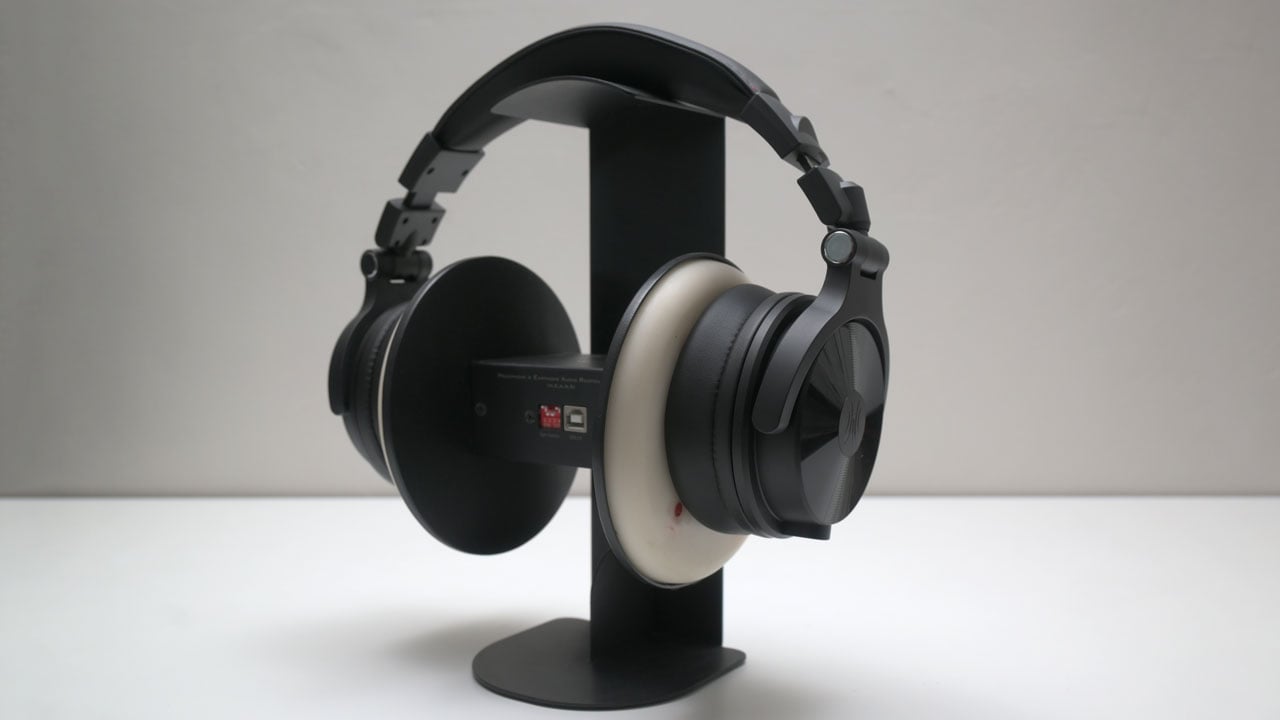
The OneOdio Studio Max 1 is a feature-heavy DJ headphone that fits comfortably under the $200 (₱10,500) price point. It comes with LDAC support and a dedicated wireless transmitter designed for low-latency operation.
Disclosure: OneOdio provided the Studio Max 1 as a sample. The brand maintains no editorial influence or control over the content of this review. Use the code “TechPorn” to get 20% off.
Table of Contents:
Technical Specifications
The OneOdio Studio Max 1 is an over-ear headphone that uses 50 mm PET transducers. It also offers significant battery life depending on how you connect. While the low-latency receiver provides 50 hours of use, switching to Bluetooth extends playback to 120 hours on a single charge. These headphones also feature LDAC support for higher wireless audio quality, a built-in microphone, and the option for a traditional wired connection.
| Earphones | |
|---|---|
| Transducer | 50 mm, Dynamic |
| Frequency Response | 20 Hz – 40 kHz |
| Impedance | 32 |
| Sensitivity | 98 dB |
| THD | N/A |
| Connectivity | Wired (6.35 mm, 3.5 mm), Wireless (Bluetooth, RF) |
| Microphone | |
| Transducer | N/A |
| Polar Pattern | N/A |
| Frequency Response | N/A |
| Sensitivity | -42 dB |
| Dimensions | |
| Length | N/A |
| Width | N/A |
| Height | N/A |
| Weight | 335 g |
Packaging and Accessories
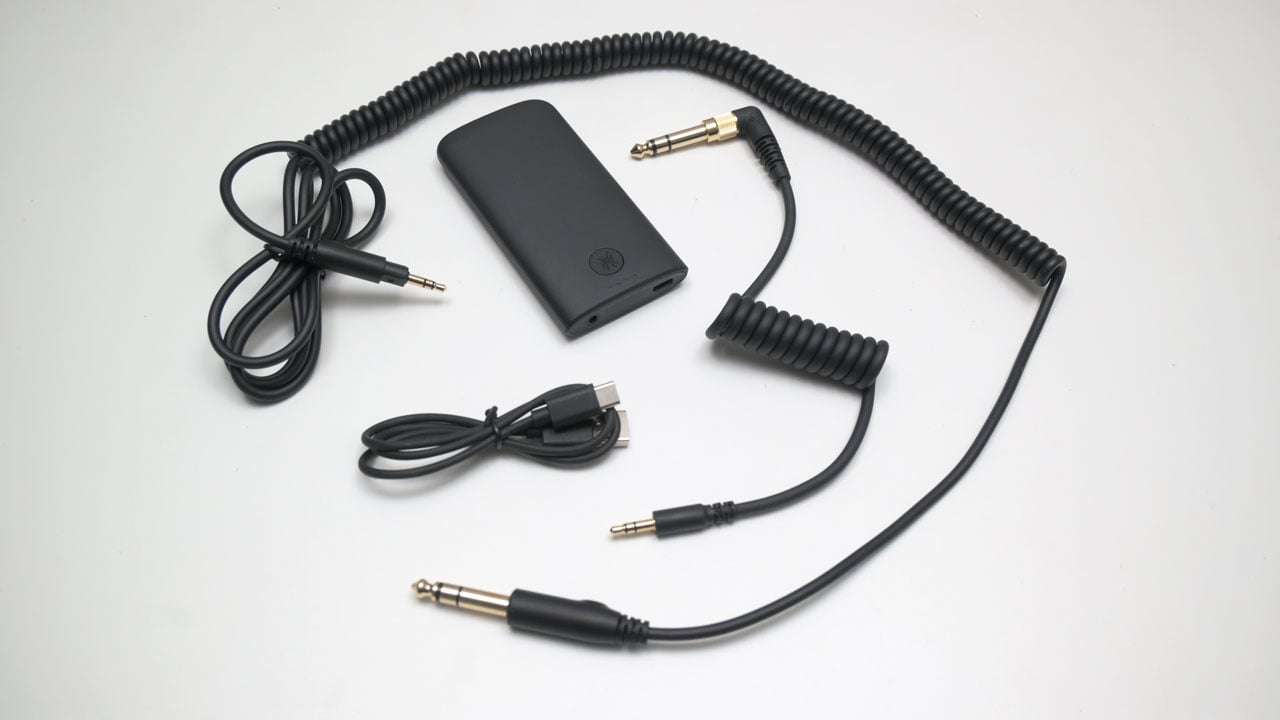
The Studio Max 1 comes in a multipart packaging with a lot of goodies inside.
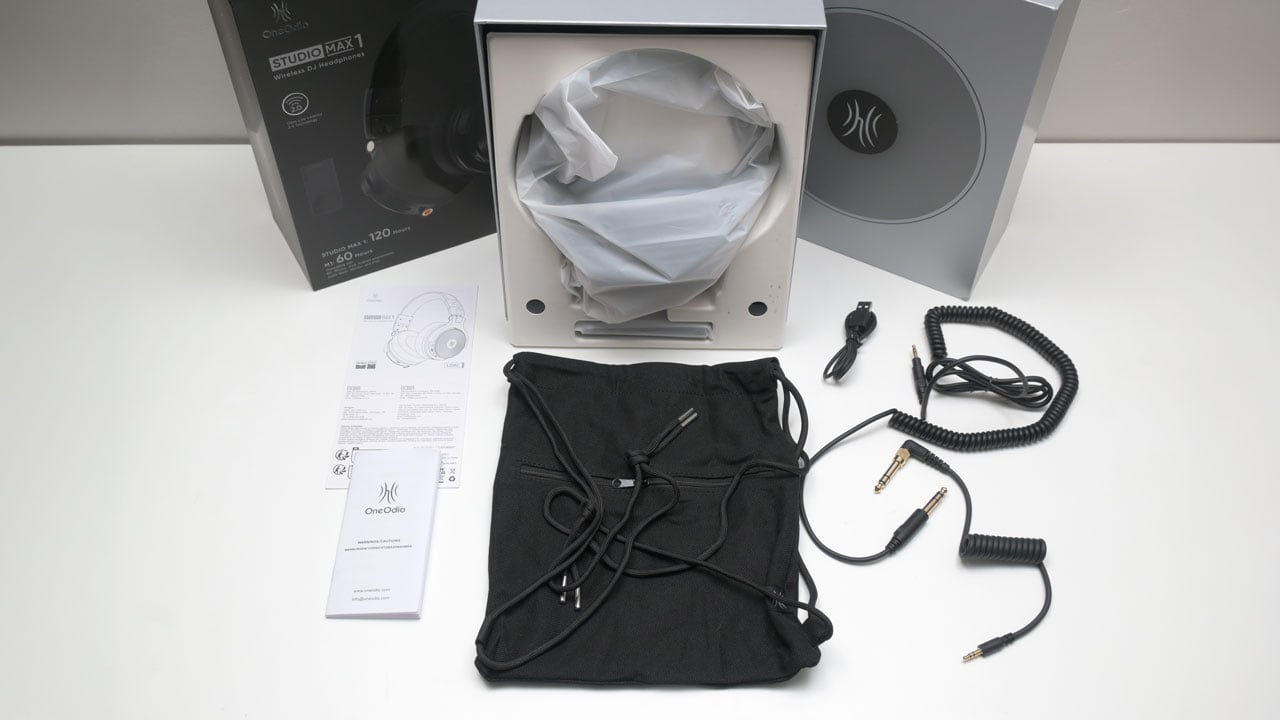
Scope of delivery are as follows:
- OneOdio Studio Max 1 wireless DJ headphones
- RF Receiver
- 3.5 mm to 6.35 mm cable
- 3.5 mm to 3.5 mm cable with 6.35 mm adapter
- USB cable
- Carrying bag
- Documentation(s)
Design, Build and Connectivity
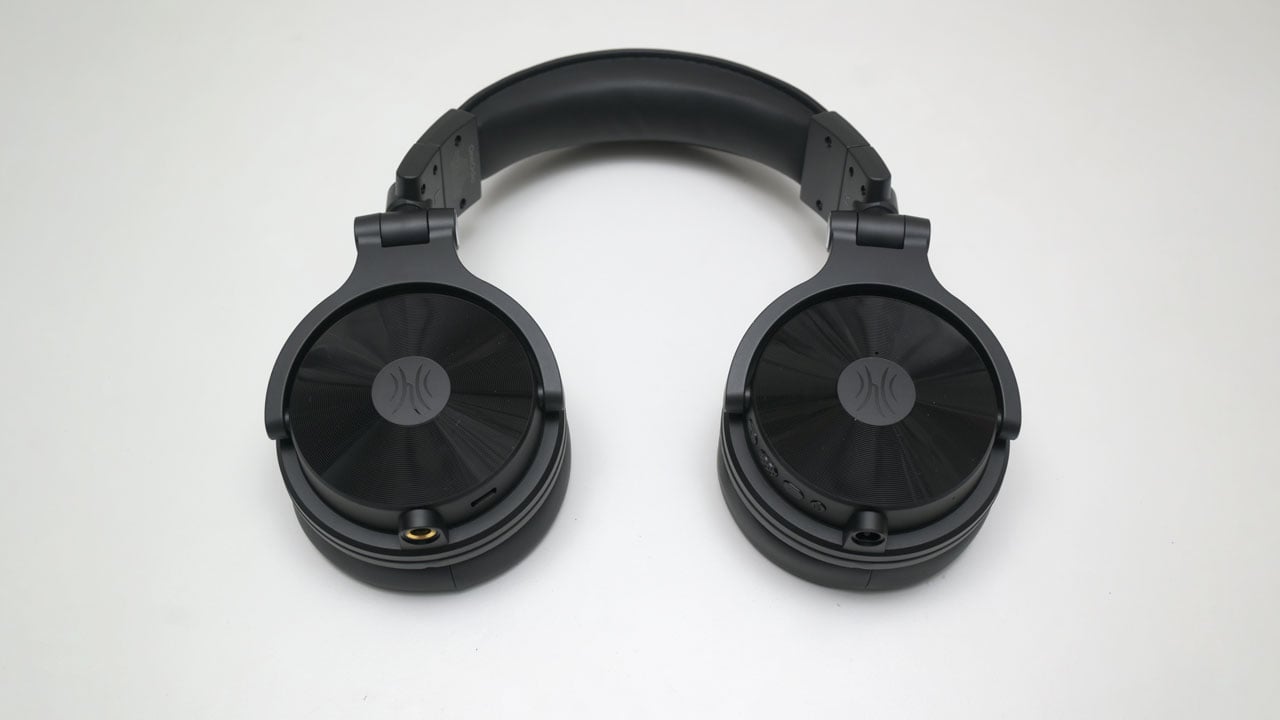
The Studio Max 1 sports the classic DJ headphone style. Its circular couplings and double-hinge design allow greater freedom of movement, while the thick padding adds comfort when worn around the neck. It’s undeniably a true DJ’s headphone, even featuring record-inspired cups that may not appeal to everyone’s taste.
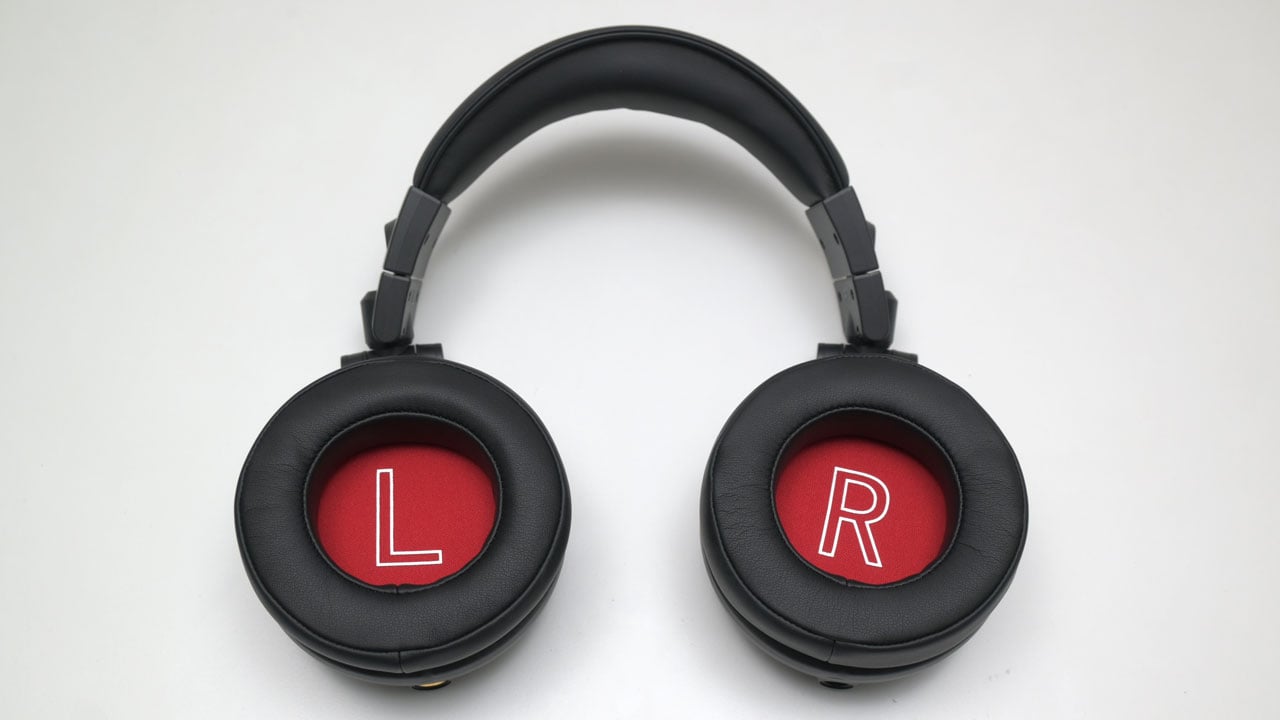
Since the Studio Max 1’s cups are near identical down to the pads, they are clearly labeled left and right. Speaking, the pads are thick but fairly small, so they’ll definitely make contact with your ears when worn. Do keep that in mind.
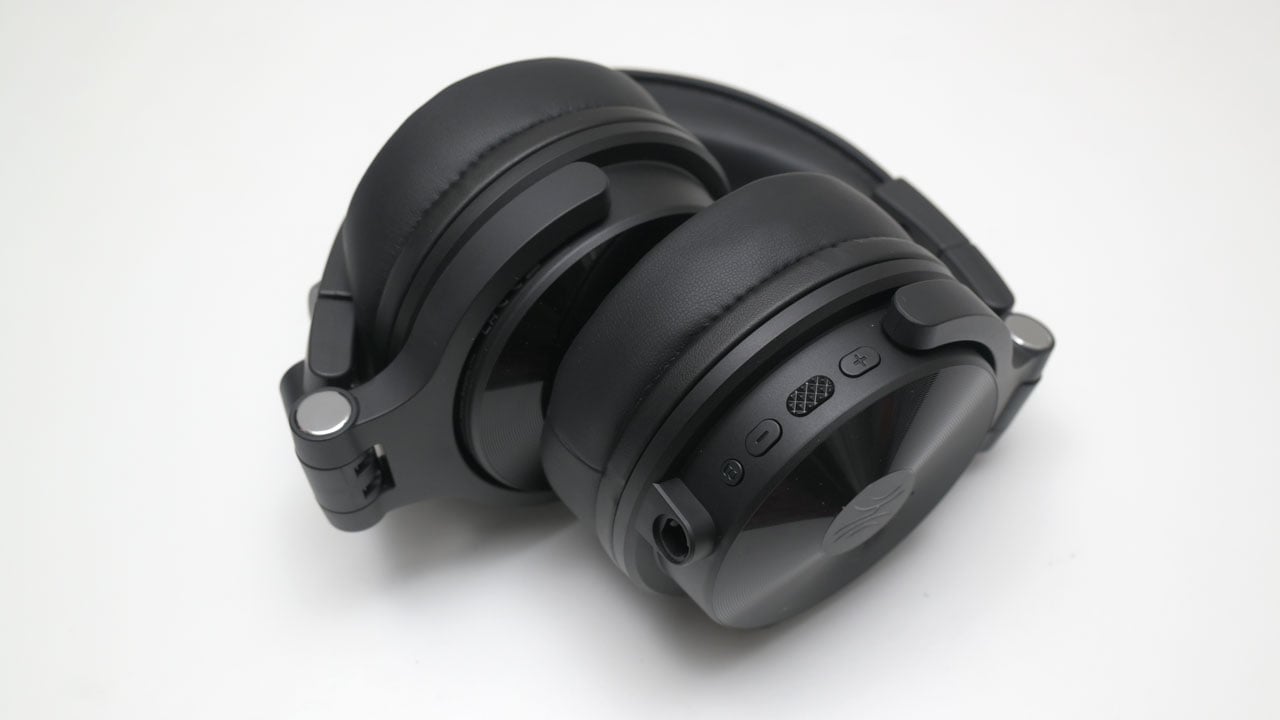
The Studio Max 1’s double hinge design makes it easy to fold up for convenient transport and storage. Control-wise, it offers volume, bass-boost, and mode buttons, with the bass-boost button featuring a textured surface, which is a nice detail that helps distinguish it via touch.
One of the best features of the Studio Max 1 is its versatile connectivity. You can hook it up to an amp via cable, connect directly to a PC, use Bluetooth, or go with the receiver in low-latency mode.
Ergonomics
The OneOdio Studio Max 1 is heavy, tipping the scales at 335 grams. While not totally unwieldy like some higher end headphones, you’d still feel its weight around your head if worn for hours. On that note, comfort isn’t the Studio Max 1’s strong suit, especially with its small couplers. For reference, I have small to medium-sized ears and could feel the pads – top and bottom.
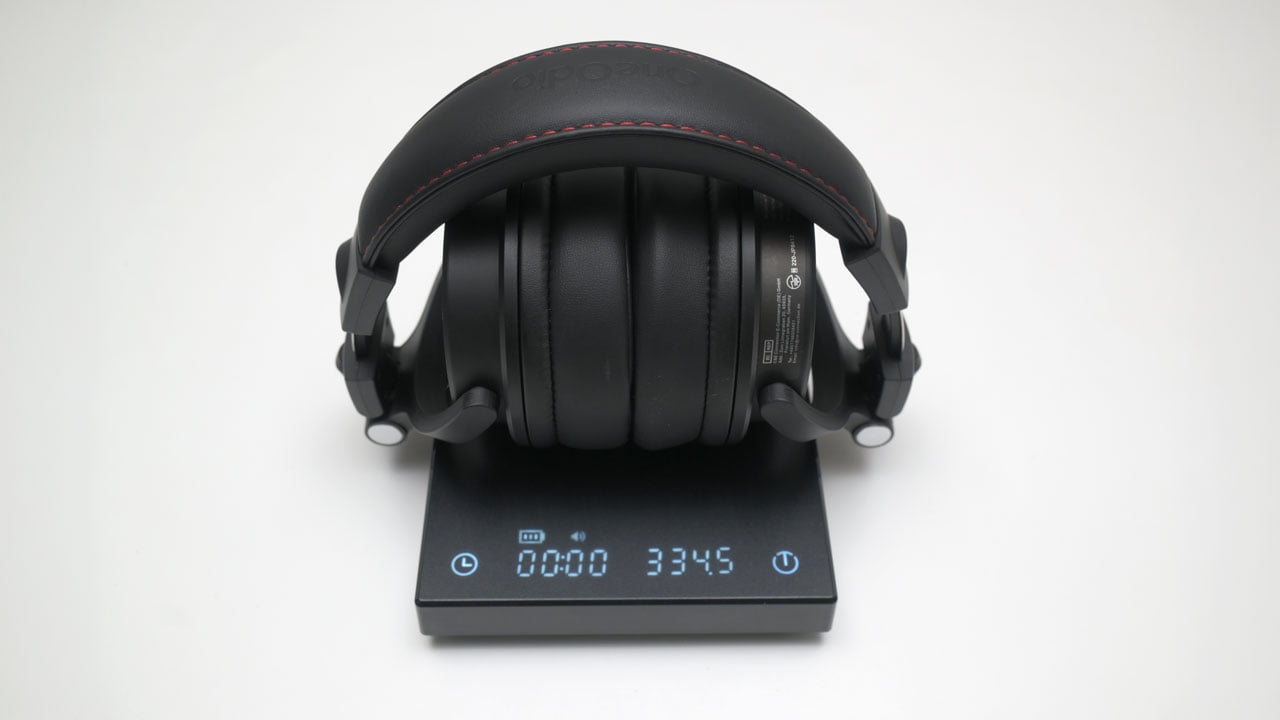
Another thing worth mentioning is the creaking noise from the headphones. While it’s tied to build quality, it also affects comfort. Every time I adjust the Studio Max 1, it creaks at the hinges, which is definitely not what I expected from a $200 gear.
Frequency Response
While there are no presets to play with other than a bass boost mode, the Studio Max 1 comes with three connectivity options. All of which comes with their own frequency response from which I assume would be related to the onboard DSP. What I don’t understand though is the difference between Bluetooth and low latency mode. They both use DSP, but the Bluetooth appears to have a bass boost turned on, while the latter appears flatter but has this weird phase delay effect. Naturally, I check it out wired, but that brings its own problems too, with elevated middle ranges.
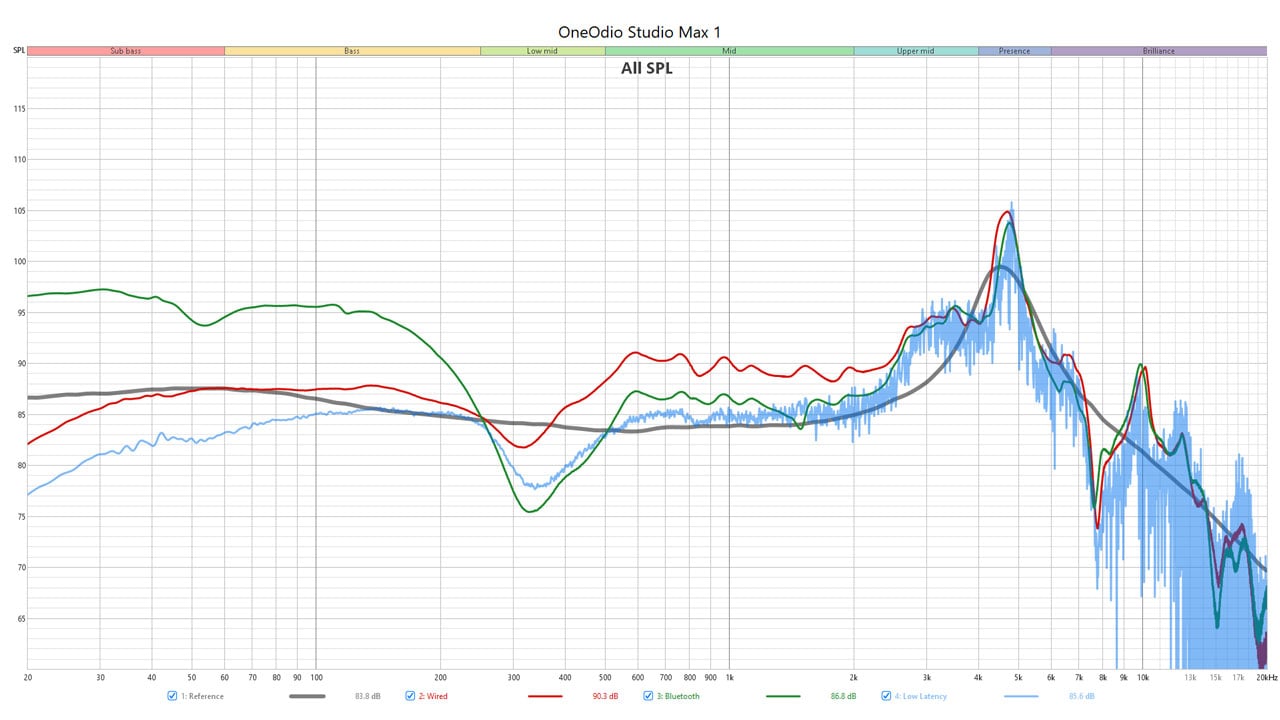
There’s no better way to put it as I felt that I am stuck between a rock and a hard place with this headphone. That said, I’d go with the low latency mode over all other options because it felt technically better out of the bunch and is truly the headphone’s standout feature. On that note, OneOdio stated that this is not a defect, but a technical trade-off. Ultra-low latency requires heavy audio compression, which ultimately reduces fidelity.
Bass
The graph indicates a noticeable roll-off starting around 150 Hz. While the Studio Max 1 still delivers that sub-bass rumble, it doesn’t feel as controlled or tight as I’d prefer.
Mids
Midrange has a noticeable dip around 350 Hz and a peak at 3 kHz. These quirks makes the Studio Max 1 sound mid-forward, even a bit shouty, with bass that feels hollow, especially in percussion and string-heavy tracks.
Treble
The treble performance is probably the best the Studio Max 1 has to offer, even with the erratic measurements. I just wish the upper mids were improved, as they really throw off the rest of the frequency response. Audio can be a complicated world sometimes.
Distortion
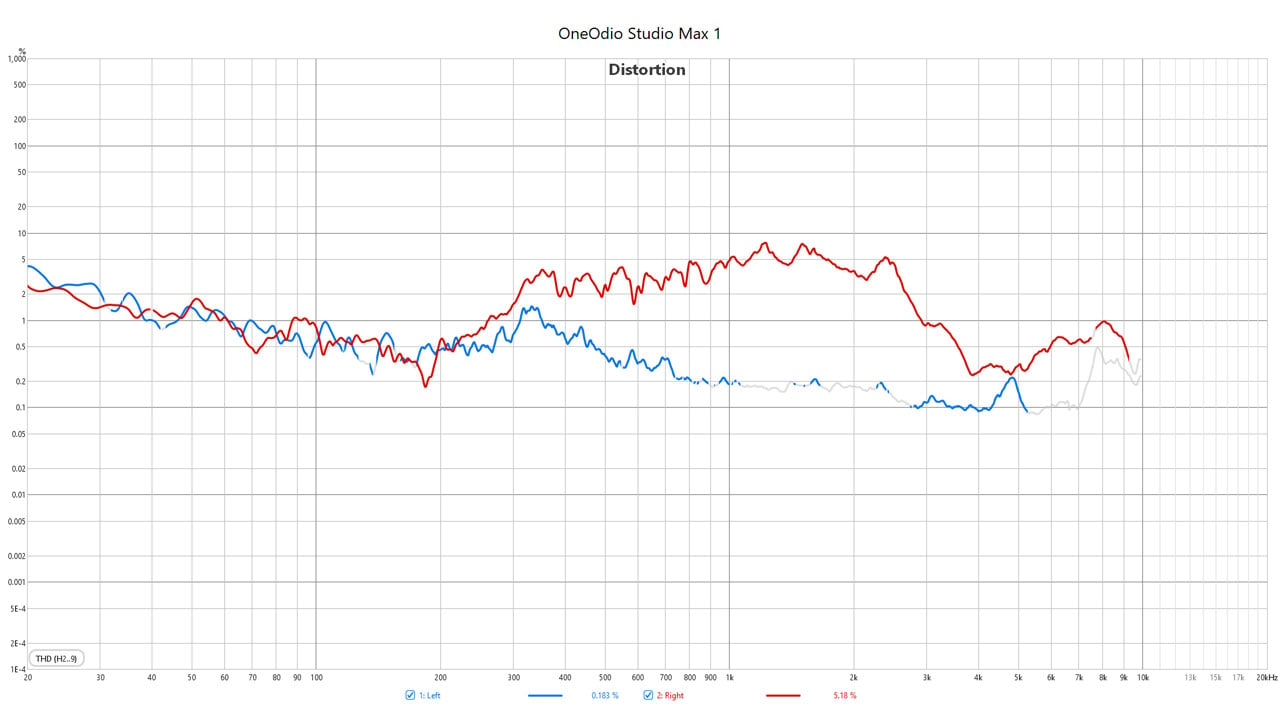
The Total Harmonic Distortion profile of the Studio Max 1 isn’t impressive, especially with its right driver. THD jumps up to 10%, and I’m pretty sure this has nothing to do with the DSP, but rather with the driver or a possible design flaw in the coupler.
CSD
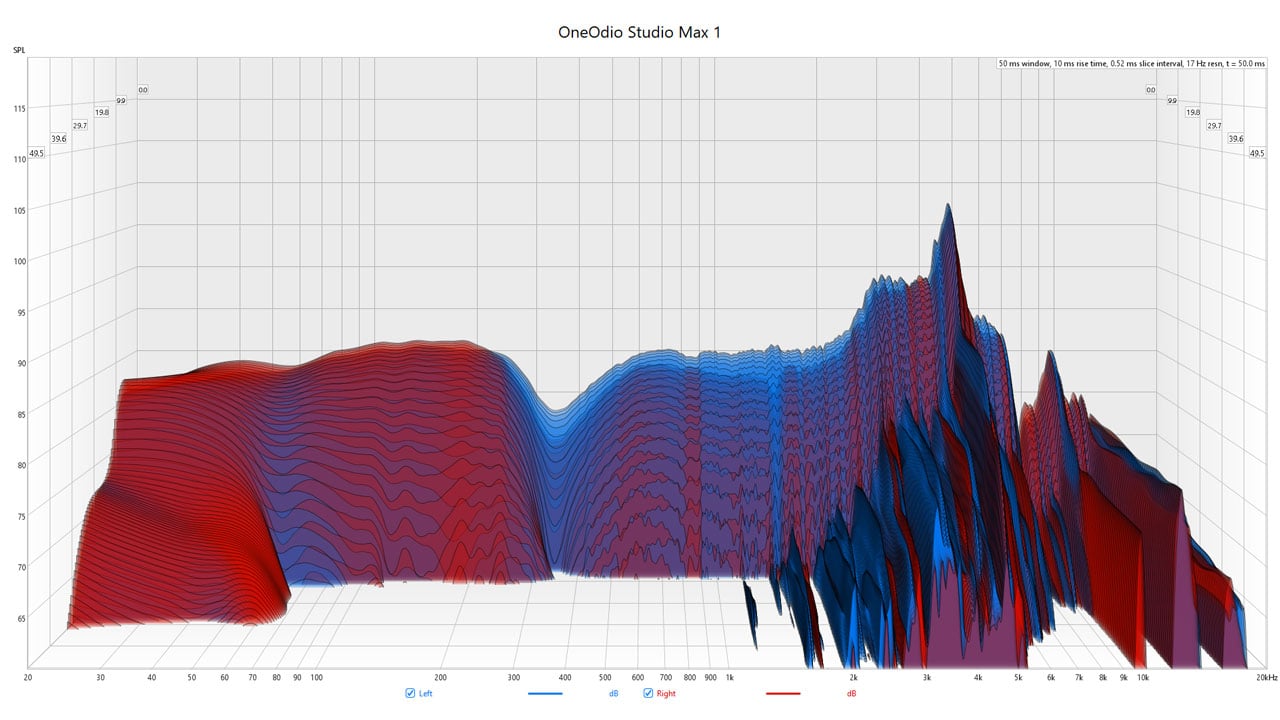
The Cumulative Spectral Decay (CSD) plot reveals lingering energy, with an especially noticeable excess in the upper midrange and treble. While my measurement rig isn’t perfectly accurate, it’s fairly consistent when using the same measurement window I apply to other devices I test.
Noise Isolation
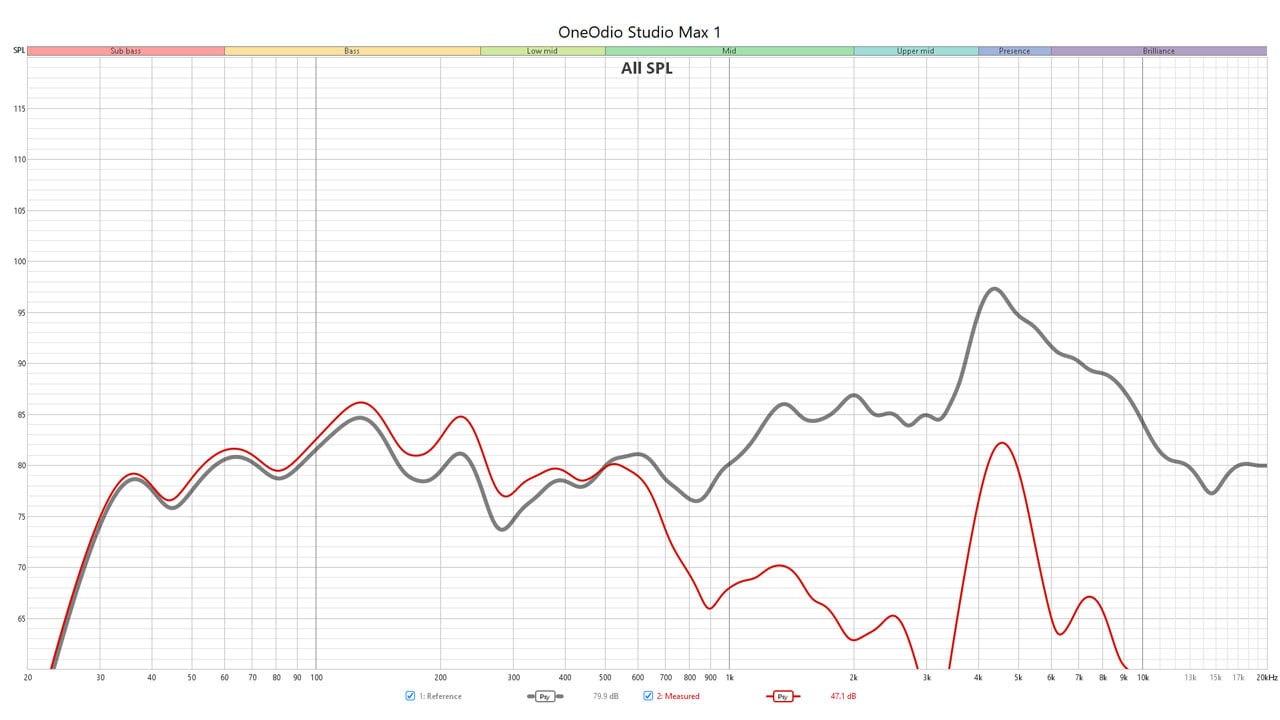
The OneOdio Studio Max 1 naturally attenuates noise from around 500 Hz and up, thanks to its closed-back design and thick padding.
Microphone
The Studio Max 1’s microphone is barely passable. It doesn’t function in wired or low-latency mode – only over Bluetooth. Because of that, we decided to skip the microphone measurements entirely.
Input Lag
Now, low-latency mode works perfectly, which is really the saving grace of this headphone. Bluetooth is fine, but if your top priorities are freedom from wires and no delay, it definitely delivers.
Final Thoughts
The OneOdio Studio Max 1 is a headphone that knows what it wants to be and largely succeeds at that one thing. Its low-latency mode is genuinely impressive, delivering input lag numbers that put Bluetooth to shame and making it a legitimate tool for DJs and content creators who can’t afford to work with delay. That promise at least is kept.
Everything else though is a mixed bag. The frequency response shifts depending on how you connect, comfort is compromised by the small couplers and creaky hinges, the microphone is locked behind Bluetooth, and the THD results raise some eyebrows. For a headphone nudging the $200 mark, these aren’t small complaints.
Still, if low-latency wireless audio is your primary reason for buying, the Studio Max 1 delivers where it counts. The 120-hour battery life and versatile connectivity options sweeten the deal further. Just go in with realistic expectations. This is a specialized tool, not an all-rounder, and its value depends entirely on whether that tool is what you actually need.
OneOdio Studio Max 1 $199
Product Name: Studio Max 1
Product Description: The OneOdio Studio Max 1 is a wireless DJ headphone offering versatile connectivity including Bluetooth, wired, and a dedicated low-latency RF mode.
Summary
The Studio Max 1 is a single-trick pony, but it pulls off that trick well. If low-latency wireless audio is your goal, it delivers. If you want a well-rounded headphone, look elsewhere.
Pros
- Excellent low-latency mode with impressively low input lag
- Outstanding battery life
- Versatile connectivity
- Good passive noise isolation
- Foldable double-hinge design for easy transport
- Decent treble performance
Cons
- Frequency response varies significantly across connection modes
- Small ear couplers make contact with ears during wear
- Audible creaking at the hinges
- High THD on the right driver
- Microphone only works over Bluetooth
- Heavy at 335 g for extended wear