The global obsession with AI is carving out a massive, unintended niche for Chinese chipmakers. As the industry’s heavyweights retool their factories to feed the bottomless hunger for AI silicon, mainstream PC brands are scouting for alternatives – increasingly landing on China’s CXMT and YMTC’s portfolio to keep their assembly lines moving.
Table of Contents:
AI-Induced Supply Void
The “Big Three” (Samsung, SK Hynix, and Micron) are currently fixated on high-margin prizes like High Bandwidth Memory (HBM) and DDR5. These specialized components are the lifeblood of Nvidia’s GPUs and the massive data centers powering the AI boom.
By chasing these lucrative contracts, the titans have inadvertently neglected the “boring” hardware that goes into your average laptop or desktop. This has left a deficit in standard DRAM and NAND flash supply. To prevent a price surge that would price out average consumers, PC giants like Dell and HP are pivoting toward Chinese suppliers to fill the gap.
China’s Aggressive Scaling
With the incumbents distracted, Beijing’s memory champions are hitting the gas:
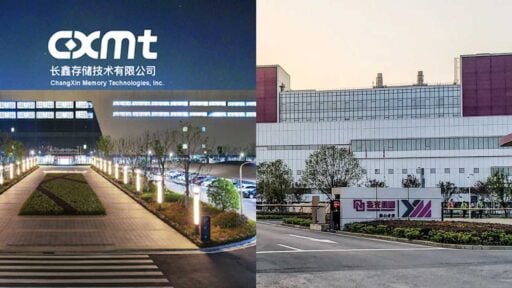
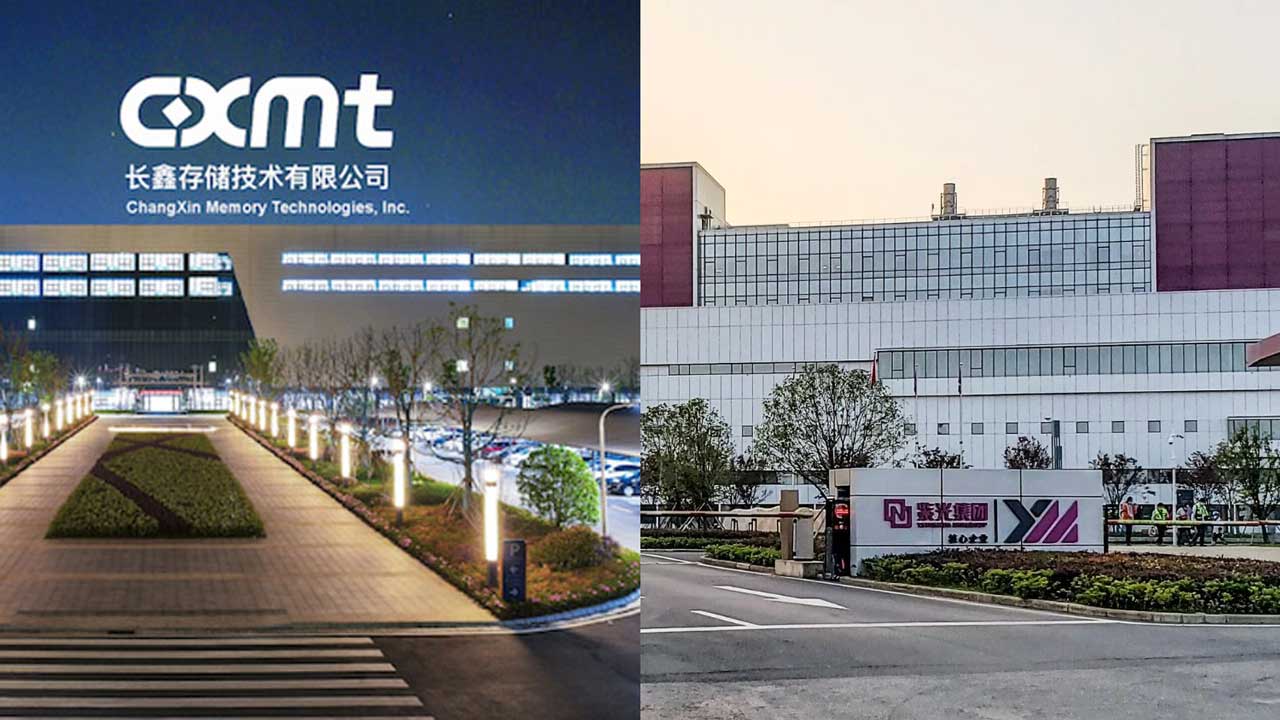
- CXMT: The DRAM specialist is effectively on a wartime footing. It is currently mid-expansion in Hefei, aiming to flood the market with DDR4 and entry-level DDR5. They are winning on price, which is a territory the Big Three have largely abandoned.
- YMTC: Despite Washington’s trade blacklists, the NAND powerhouse has stabilized its operations. It is now ramping up production of high-layer 3D NAND, the core component for the SSDs found in mid-range electronics.
Pragmatic Pivot for PC Brands
For hardware manufacturers, this isn’t about politics; it’s about survival. While a flagship “AI PC” still needs the bleeding-edge speed of a Micron chip, the high-volume, mid-range market can run perfectly well on Chinese silicon.
By securing spots in the supply chains of global brands, CXMT and YMTC aren’t just making a quick buck, as they are gaining the technical validation and scale needed to eventually challenge the industry leaders on their own turf.
Geopolitical Tightrope
This migration toward Chinese memory comes at a sensitive time. The U.S. government has consistently tightened export controls to limit China’s access to advanced chip-making equipment. However, the current AI boom has created a “market reality” that complicates these restrictions.
Recent reports highlight how AI demand is driving PC giants toward Chinese memory suppliers to keep consumer costs down. As long as the demand for AI servers continues to cannibalize the production of consumer memory, PC manufacturers may have little choice but to deepen their ties with Chinese vendors to avoid empty shelves.
Market Outlook
The memory landscape is splitting in two. Top-tier manufacturers are mining the “AI Gold Rush,” while China’s firms are quietly becoming the new bedrock of the consumer PC industry. For the end-user, this backdoor entry by CXMT and YMTC might be the only thing keeping laptop prices from hitting record highs in 2026.