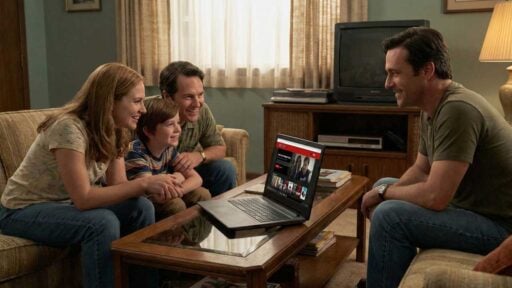

A decade ago, digital leisure often required planning. Watching a favorite show meant tuning in at a specific time, and gaming usually happened at home on a dedicated device. Online entertainment was something people deliberately sat down to do. Free time had clearer boundaries, and digital activities tended to be occasional rather than constant.
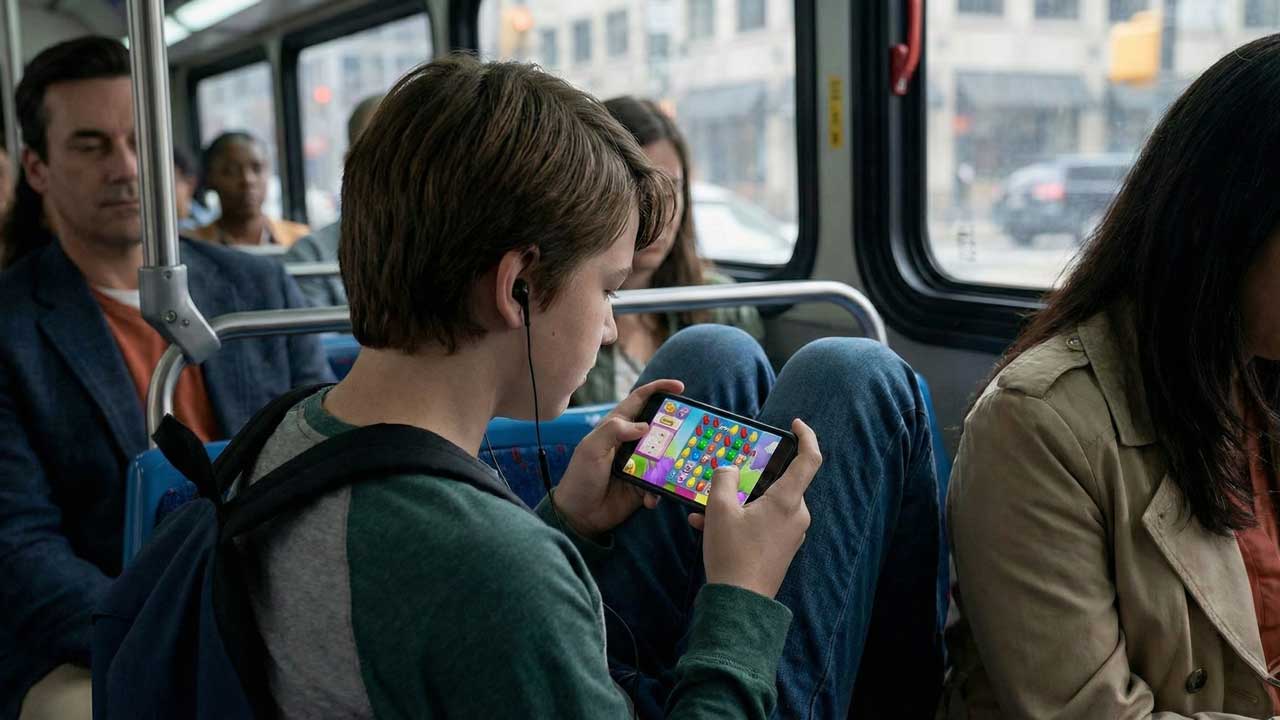
Today, leisure fits into everyday moments almost without notice. A short game fills the gap during a commute, or a live stream plays in the background while doing chores. People can easily squeeze in a few minutes of entertainment to unwind between tasks. Smartphones, faster internet connections, and more integrated digital platforms have made entertainment less of an event and more of an ongoing presence woven into daily routines.
These changes reflect more than just new technology. They point to a broader shift in how people experience entertainment and social interaction during their personal time. Let’s explore that phenomenon in more depth.
Table of Contents:
From Scheduled Entertainment to On-Demand Access
Not long ago, leisure time was shaped by fixed schedules and limited availability. Television programs aired at specific times, and games were tied to physical discs or cartridges. In this context, entertainment often required being in the right place at the right moment. Missed opportunities were common, and choices were constrained by format and access.
Today, on-demand access has become the default. Services like streaming platforms and digital downloads, allow people to engage with entertainment whenever it suits them. Streaming services have grown dramatically, with platforms now surpassing traditional broadcast and cable TV viewership as audiences shift to on‑demand content and personalized viewing habits.
Games, videos, and other digital experiences are readily available across multiple devices, which makes leisure more flexible and responsive to individual schedules. It’s entirely possible to watch a new movie or visit a casino online gaming platform instead of making a trip to a physical establishment. This shift has reduced barriers to entry and changed expectations, with convenience now playing a central role in how people experience digital leisure.
Gaming as a Broad Form of Interactive Leisure
Gaming has expanded far beyond its traditional association with consoles and dedicated players. Over the last decade, it has grown into a broad category that includes mobile games, browser-based experiences, desktop titles, and platform-based online play. These formats vary widely in complexity and purpose, but all share an interactive core that distinguishes gaming from passive forms of entertainment.
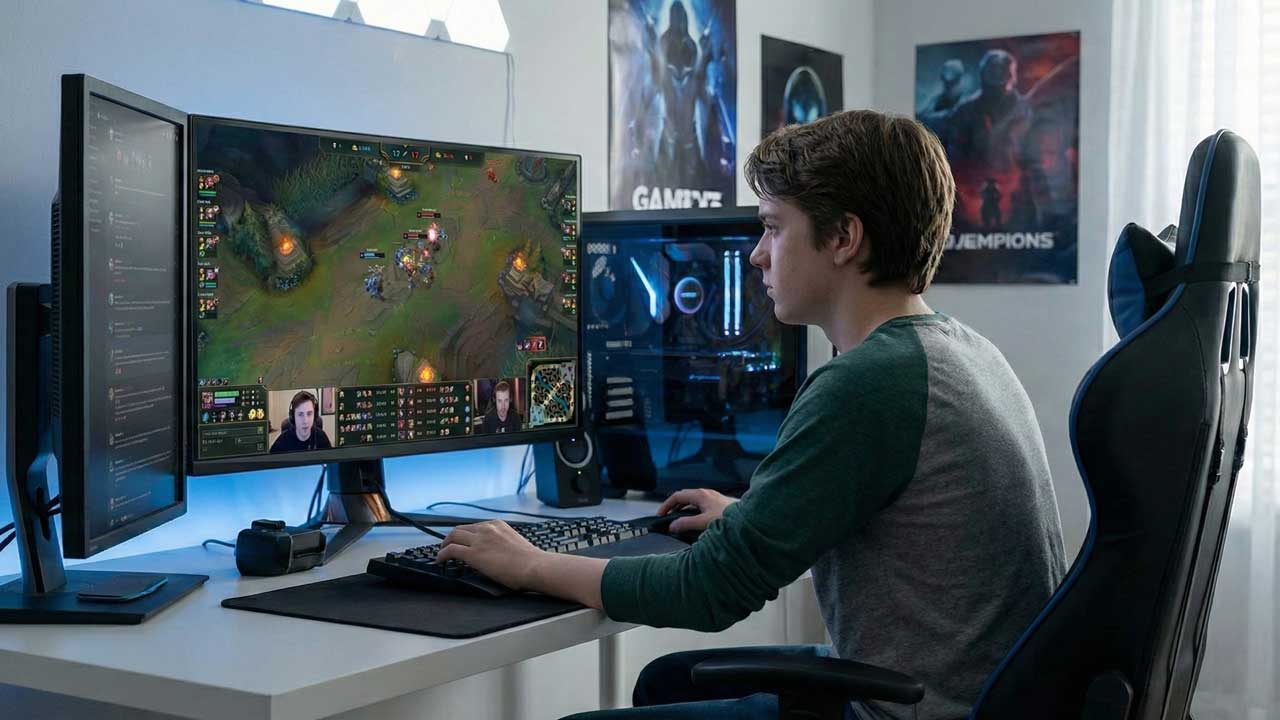
Within this wider landscape, online games of chance have emerged as one of many ways people engage digitally during their free time. A research submitted by ISCTE – University Institute of Lisbon in 2024 showed that digital games consumption has expanded significantly across demographic groups, reflecting how gaming is now a mainstream leisure activity embraced by adults as well as younger players.
When viewed alongside puzzle games, strategy titles, and social or competitive play, these games fit into a larger pattern of interactive leisure rather than standing apart from it. Framing gaming this way helps reflect how diverse digital entertainment has become and why it now appeals to a much broader audience than in the past.
The Social Side of Digital Leisure
Leisure used to be a largely individual activity when it happened through a screen. Activities like playing a game or watching a show, or even just browsing online were often solitary experiences, even when they were shared topics of conversation afterward. Over time, digital platforms have reshaped this dynamic by building social interaction directly into entertainment itself.
Online multiplayer games and live streams with real-time chats now allow people to engage with others while they play or watch. Community-driven platforms are now common across just about every area of interest you can imagine. Digital leisure has become a shared experience, whether that means collaborating with friends or competing with strangers. It’s a major change that has made entertainment feel more connected and, in many cases, more engaging than purely solo activities.
Personalization and Algorithm-Driven Experiences
To find new entertainment, people once depended heavily on recommendations from friends or advertising. They might only get to browse limited catalogs for new offerings. Availability tended to shape individual choices to a greater extent than personal preference, and discovering something new often required effort or good luck.
In contrast, digital leisure today is also becoming increasingly personalized. Platforms use metrics like viewing history and user behavior to suggest content or experiences tailored to individual interests. While this makes discovery faster and more convenient, it also means that leisure time is subtly shaped by algorithms. What people play or watch next is often influenced by past choices, which creates experiences that feel customized and continuously updated.
Digital Leisure as Part of Everyday Routines
One of the most noticeable changes in the last decade is how seamlessly digital leisure fits into daily life. Entertainment no longer requires long, uninterrupted blocks of time. Short sessions have become common, allowing people to engage briefly and return later without losing continuity.
At the same time, longer and more immersive experiences still have a place. Modern options like high-production games and interactive platforms cater to those seeking deeper engagement. Together, these options reflect how digital leisure now adapts to different schedules and lifestyles, so people can indulge both in quick moments of escape and more involved forms of entertainment depending on time and preference.
Digital leisure has evolved into something more flexible, interactive, and closely aligned with everyday life than it was a decade ago. As entertainment continues to adapt to changing habits and technologies, free time is no longer defined by rigid formats or schedules, but by personal choice and accessibility. Paying attention to these shifts makes it easier to understand not just how people play or watch today, but how they value and shape their moments of rest.