Choosing a new smartphone is no longer as simple as picking the latest model on the shelf. Today’s market offers an enormous range of devices across different price points, each promising faster performance, better cameras, longer battery life, and a growing list of advanced features. While having more options can be beneficial, it can also make the decision-making process more complicated, particularly when many devices appear similar at first glance.
At the same time, there’s no making this choice lightly, as smartphones have become deeply integrated into everyday life. They serve as communication tools, entertainment hubs, work companions, navigation devices, cameras, and digital wallets all in one. Because most people rely on their phones throughout the day, choosing the wrong device can lead to frustrations that linger long after the excitement of a new purchase fades. Looking beyond advertisements and headline specifications can help you focus on what will actually improve your experience.
That is why it helps to approach the buying process with a series of practical questions rather than a list of technical specifications. A little reflection before buying a new phone can help you identify which features matter most and ultimately find “the one” that delivers value for years down the line.
Table of Contents:
How Will I Pay for This Phone?
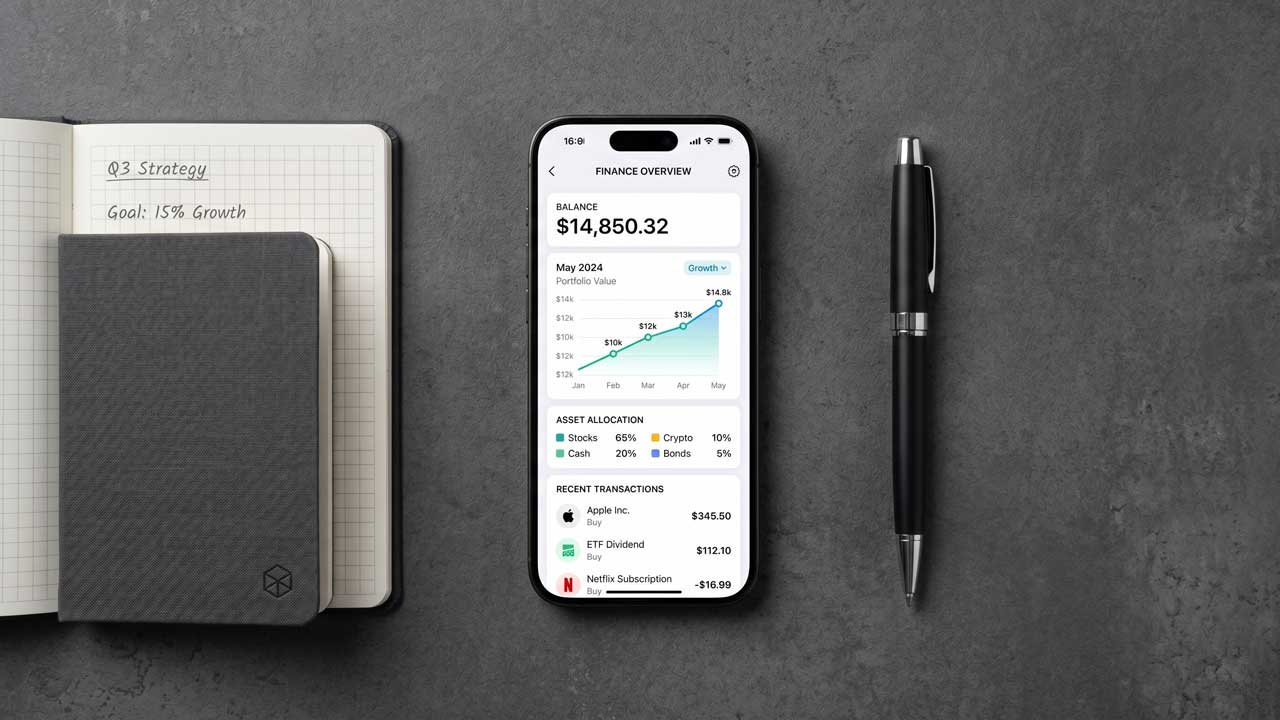
A premium smartphone can be tempting, but excitement can quickly overshadow practical financial considerations if you’re not careful. Before comparing cameras or processors, take a close look at what the purchase will actually mean for your budget. Consider not only the advertised price but also any accessories, protection plans, or service fees that may increase the total cost.
If paying upfront is not ideal, it may be worth exploring alternatives such as installment plans, credit cards, financing programs, or online shopping buy now pay later solutions offered by retailers. Whatever payment method you choose, the goal should be to find an option that fits comfortably within your finances rather than stretching your budget simply to obtain a device with features you may rarely use.
What Will I Actually Use This Phone For?
Many smartphones are designed to excel in specific areas, which is why understanding your own habits can be more valuable than comparing specification sheets line by line. Someone who primarily uses a phone for messaging, social media, video streaming, and occasional photography may have very different needs from a mobile gamer, content creator, or professional who regularly works on the go. Take a moment to think about how you spend most of your time on your current device; this will help you identify which features deserve priority and which ones are less important.
How Much Storage Will I Need?
Running out of available space is one of the few smartphone frustrations that tends to worsen over time. Apps continue to grow larger and photos and videos consume significant storage. Work files or downloaded content can also accumulate surprisingly quickly. While cloud storage can help reduce some of the burden, many users still prefer to keep a large portion of their data directly on their devices. Instead of focusing solely on your current usage, it is worth considering how your storage needs may change over the next several years. Choosing a phone with sufficient capacity from the start can help you avoid the inconvenience of constantly deleting files or managing storage limitations later on.
How Important Is the Camera to Me?
Marketing campaigns often place camera systems front and center, but the most impressive specifications do not always translate into meaningful benefits for every user. Before paying extra for advanced camera features, think about the kinds of photos and videos you actually take. Some people regularly capture family events, travel experiences, or social media content, while others only use the camera occasionally. Depending on how you use the camera, factors such as low-light performance, image stabilization, video quality, portrait capabilities, and zoom functionality may ultimately have a greater impact on your experience than a higher megapixel count.
Will the Battery Keep Up with My Daily Routine?
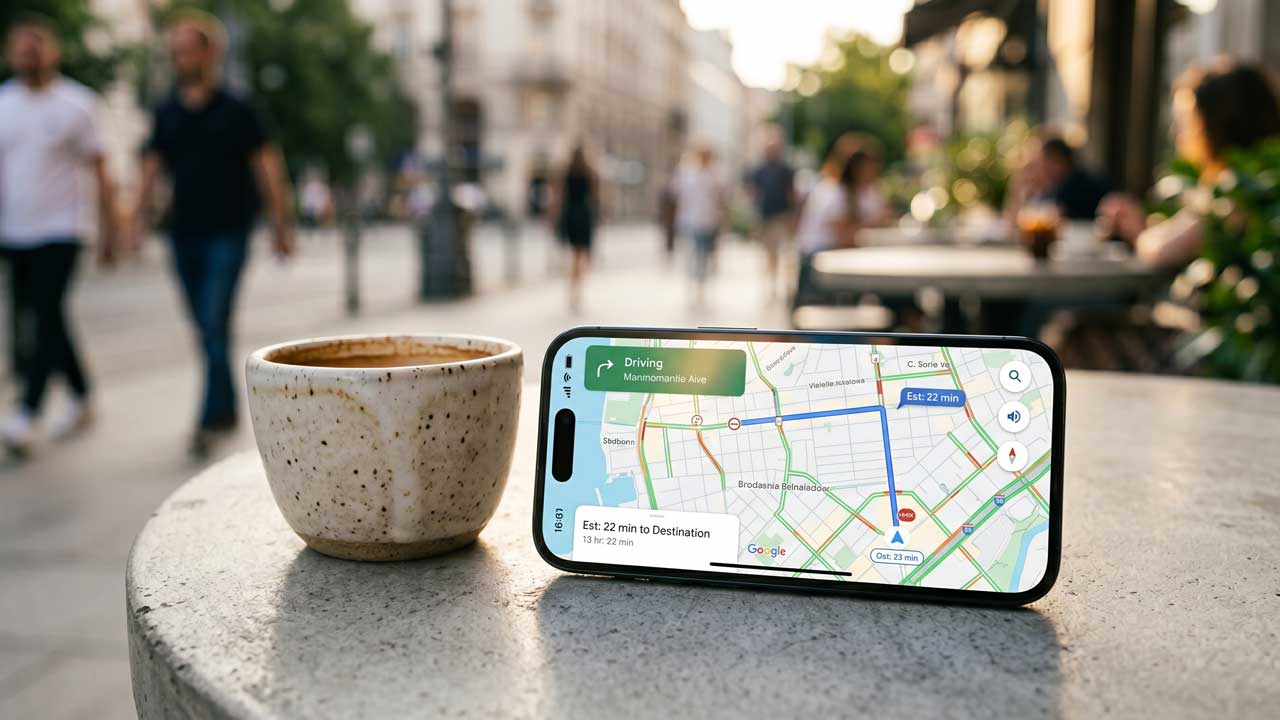
Nothing highlights the importance of battery performance quite like watching your charge level drop rapidly while you still have several hours left in the day. Daily usage patterns vary significantly from person to person, which means battery requirements can differ as well. Activities such as gaming, video streaming, GPS navigation, video calls, and mobile productivity tend to consume more power than basic messaging or web browsing. Instead of relying solely on manufacturer claims, look for information about real-world battery performance and charging speeds. A phone that consistently supports your daily routine without frequent charging can contribute just as much to overall satisfaction as any flagship feature.
How Long Will This Phone Remain Useful?
The value of a smartphone extends far beyond the day it leaves the store. Software updates, security patches, build quality, and long-term manufacturer support all play important roles in determining how well a device will serve you over time. A phone that receives updates for several years is more likely to remain secure and compatible with new applications for several years. Durability should also factor into the equation, particularly if you intend to keep the device for an extended period.
The right phone should quietly make daily life easier, not demand that you adjust your habits around it. Before buying, it is worth asking whether the device fits the way you actually live, work, spend, and communicate. A good upgrade should feel useful long after the excitement of getting something new has faded.