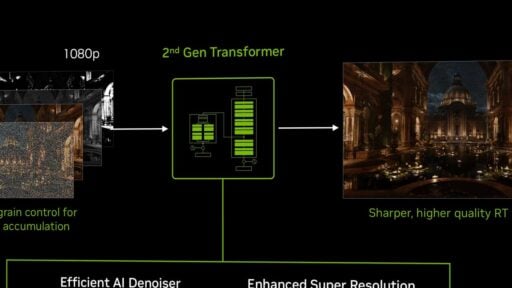
NVIDIA has released a beta update for its desktop app, officially rolling out the full suite of DLSS 4.5 features. This update builds on the transformer-based architecture introduced in early 2025, using a second-generation AI model to refine image quality across all GeForce RTX GPUs. While Super Resolution remains the baseline for quality improvements, the latest software focus shifts toward more intelligent frame generation and interface clarity.
Dynamic Multi Frame Generation
The most significant addition is Dynamic Multi Frame Generation, which acts as an automated system for performance management. Rather than sticking to a static multiplier, the technology adjusts frame generation in real-time to balance fluid movement with input responsiveness. This feature can be applied globally through the NVIDIA app or toggled for specific games. Several titles are already integrating this tech natively, with dozens more expected following recent industry previews.
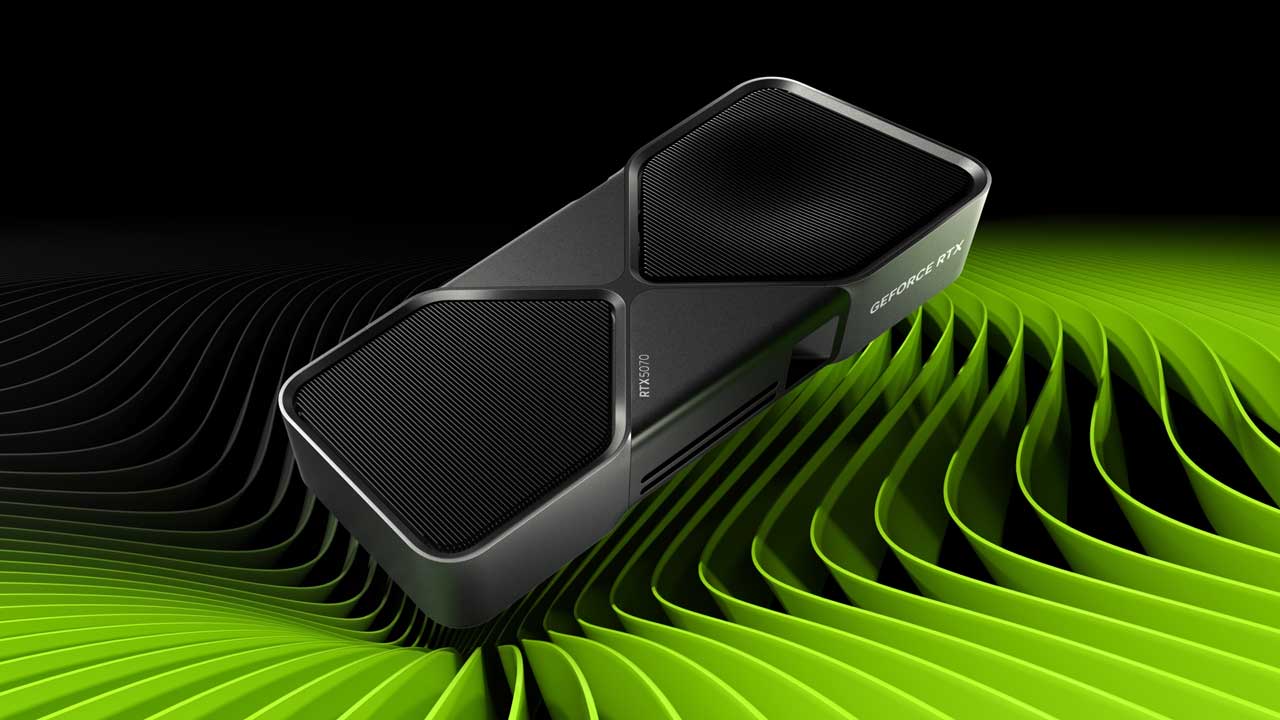
For those using GeForce RTX 50 Series hardware, the update introduces a 6X Multi Frame Generation mode. By generating five frames for every one rendered natively, the system can boost 4K frame rates in intensive path-traced games by roughly 35%. To ensure these high frame counts don’t result in sluggish controls, the model is paired with Reflex technology to keep latency as low as possible. This level of output is specifically aimed at maximizing the capabilities of 4K 240 Hz OLED displays and G-SYNC Pulsar monitors.
Refining UI Clarity and Expanding Game Support
Visual refinements also extend to the smaller details of the gaming experience. A new frame generation model, available for both RTX 40 and 50 Series users, specifically targets user interface elements like mini-maps and health bars. By pulling more data from the game engine, the AI reduces the ghosting or blurring often seen on HUDs during fast movement.
Additionally, players of ARC Raiders and Marvel Rivals can now utilize DLSS 4.5 Super Resolution to improve their visual experience.