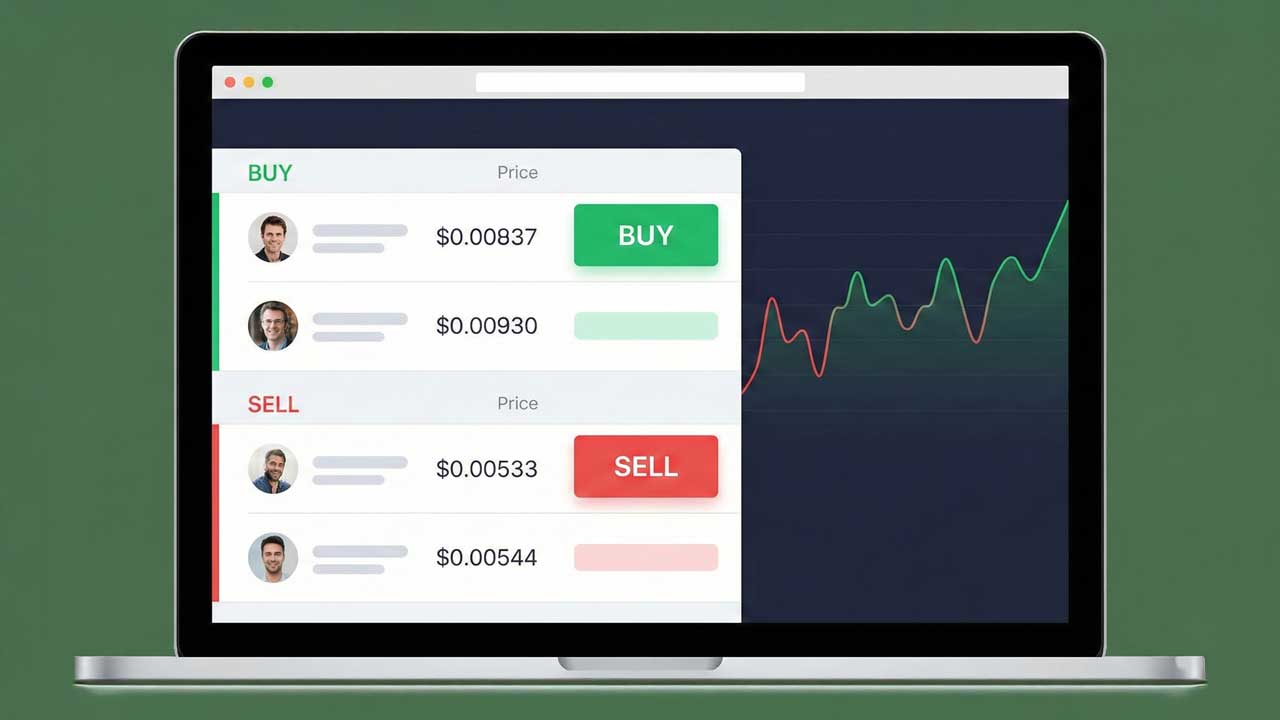
The rapid rise of digital technologies has reshaped how people exchange value, connect with markets, and access financial services. Among these innovations, the P2P trading platform stands out as one of the most transformative. By enabling individuals to transact directly, it challenges long-standing financial structures and introduces new ways of thinking about exchange. As the digital economy matures, experts are already looking ahead to predict the trends that will define the future of peer-to-peer systems.
Table of Contents:
Integration with Emerging Technologies
One of the strongest predictions is that a P2P trading platform will become more closely integrated with technologies such as artificial intelligence and blockchain. AI can enhance fraud detection, streamline verification, and personalize trading experiences, while blockchain ensures transparency and decentralization. Together, these innovations could create ecosystems where transactions are faster, safer, and more accessible than ever before.
Expansion of Global Accessibility
Accessibility has always been a defining feature of peer-to-peer systems, and it is expected to expand even further. As internet penetration grows in developing regions, millions of new users will gain the ability to join a P2P trading platform. This surge will not only broaden participation but also diversify the range of payment methods and assets being exchanged, making the system more inclusive and adaptable.
Regulatory Evolution
The future of any P2P platform cannot be separated from regulation. Governments are beginning to recognize both the opportunities and risks of peer-to-peer systems. Some are moving toward creating supportive frameworks, while others consider stricter controls. Experts predict a gradual shift toward balanced regulation that protects users without stifling innovation. This evolution will shape how platforms operate and how individuals engage with one another globally.
Cross-Border Integration
International trade is another area where peer-to-peer models are expected to thrive. Cross-border remittances, once costly and slow, are likely to be simplified through direct channels. Advances in digital identification and verification tools will further reduce barriers, allowing traders from different regions to interact more smoothly. In the long term, a P2P trading platform could play a major role in building a borderless digital economy.

The Rise of Hybrid Models
A significant trend on the horizon is the blending of peer-to-peer with traditional systems. Instead of existing in isolation, a P2P platform may increasingly work alongside centralized institutions. Hybrid models could combine the flexibility and accessibility of peer-to-peer with the security and compliance mechanisms of established exchanges. This balance may attract users who want the best of both worlds.
Shifting User Behavior
As peer-to-peer trading grows, user behavior will continue to evolve. Trust, reputation, and transparency will remain central, but new generations of traders may prioritize speed, convenience, and integration with everyday services. The line between peer-to-peer transactions and ordinary digital payments could blur, embedding a P2P trading platform into the fabric of daily life.
Looking Ahead
Taken together, these trends suggest that peer-to-peer trading is moving beyond its role as an alternative financial model. It is becoming a mainstream solution that will shape the future of global commerce. By embracing new technologies, expanding accessibility, adapting to regulation, and merging with traditional systems, the P2P trading platform is positioned to redefine how value flows in the digital age. For individuals and communities worldwide, the coming years promise new opportunities to participate, innovate, and thrive through direct exchange.