Want to create content that actually converts? Every content creator wants to rank for high-traffic keywords and drive meaningful engagement. After all, targeted content leads to:
- Better search rankings
- More qualified traffic
- Higher conversion rates
Here’s the problem: Most content strategies miss the mark completely. To create content that resonates with your audience, you need to understand what they’re really searching for.
Without understanding user intent, your content is just noise.
This guide will break down everything you need to know about user intent and how to leverage it for content that actually works.
What you’ll discover:
- What Is User Intent and Why It Matters
- The 4 Types of User Intent You Need to Know
- How User Intent Transforms Content Strategy
- Advanced Tactics for Intent-Based Content Creation
Table of Contents:
What Is User Intent and Why It Matters?
User intent is the reason behind every search query.
It’s what your audience is actually trying to accomplish when they type something into Google. Understanding user intent helps you create content that matches exactly what people are looking for.
Think about it this way…
When someone searches for “best running shoes,” they’re not looking for a history lesson about footwear. They want product recommendations, comparisons, and buying advice.
But here’s the thing: 97% of B2B marketers say intent data gives them a competitive edge. Yet most content creators still focus on keywords instead of the intent behind those keywords.
This is where creating stories becomes crucial for effective content strategy. Modern audiences crave authentic narratives that speak to their specific needs and challenges. Tools that specialized in AI images and stories can help content creators develop compelling narratives that align perfectly with user intent, making content more engaging and conversion-focused.
Why does user intent matter so much? Because it’s the difference between creating content people actually want versus content that just exists.
Build Authority & Trust
Google wants to serve users the most relevant content possible.
When your content matches user intent perfectly, Google sees that users engage with it longer, share it more, and come back for more. This tells Google your content is valuable.
The result? Higher rankings and more organic traffic.
Increase Conversion Rates
Content that matches user intent converts better. Period.
When someone searches with buying intent and finds exactly what they’re looking for on your site, they’re much more likely to take action. Storytelling can boost conversions by 30% because it creates emotional connections with your audience.
The 4 Types of User Intent You Need to Know
Understanding user intent isn’t complicated. There are four main types of intent that drive virtually every search query.
Let’s break them down…
Informational Intent
This is when users want to learn something. They’re looking for answers, explanations, or how-to guides.

Examples:
- “How to tie a tie”
- “What is content marketing”
- “Best practices for SEO”
People with informational intent aren’t ready to buy anything. They want valuable, educational content that helps them understand a topic better.
Navigational Intent
Navigational searches happen when users want to find a specific website or page. They know where they want to go, they just need help getting there.
Examples:
- “Facebook login”
- “YouTube”
- “Amazon customer service”
For navigational intent, users want quick, direct access to what they’re looking for.
Commercial Investigation
This is when users are researching before making a purchase decision. They’re comparing options, reading reviews, and looking for the best solution.
Examples:
- “Best email marketing software”
- “iPhone vs Samsung comparison”
- “Project management tool reviews”
Commercial investigation intent is incredibly valuable because these users are close to making a purchase decision.
Transactional Intent
Users with transactional intent are ready to take action. They want to buy something, sign up for something, or complete a specific task.
Examples:
- “Buy running shoes online”
- “Download free template”
- “Sign up for newsletter”
This is the highest-value intent because these users are ready to convert immediately.
How User Intent Transforms Content Strategy
Here’s where most content strategies go wrong…
They focus on keywords instead of the intent behind those keywords. This leads to content that ranks but doesn’t convert.
But when you understand user intent, everything changes.
Match Content to Intent
Different types of intent require different types of content.
For informational intent, create comprehensive guides and tutorials. For commercial investigation, develop comparison posts and reviews. For transactional intent, focus on product pages and clear calls-to-action.
The key is matching your content format to what users actually want at each stage of their journey.
Create Better User Experiences
When your content matches user intent perfectly, users stay on your site longer. They engage more. They share more. They convert more.
This creates a positive feedback loop. Google sees the engagement signals and ranks your content higher, which brings more qualified traffic.
Focus on Value Over Volume
Understanding user intent helps you create fewer pieces of content that perform better. Instead of pumping out generic blog posts, you can focus on creating targeted content that actually serves your audience.
Remember: 83% of marketers use buyer intent to create the right content for their audience.
Advanced Tactics for Intent-Based Content Creation
Ready to take your content strategy to the next level? Here are the tactics I use to create intent-focused content that converts.
Analyze Search Results
Want to understand user intent for any keyword? Look at what’s already ranking on the first page of Google.
Google’s algorithm is incredibly sophisticated. The results on page one show you exactly what Google thinks users want for that query.
If the first page is dominated by product pages, the intent is transactional. If it’s mostly how-to guides, the intent is informational.
Use Intent-Based Keywords
Don’t just target high-volume keywords. Target keywords that match your business goals and user intent.
For example, if you’re selling software, focus on commercial investigation keywords like “best [your software category]” rather than just informational keywords.
Create Content Clusters
Organize your content around user intent, not topics.
Create comprehensive content clusters that address all aspects of user intent for your main topics. This helps you capture traffic at every stage of the user journey.
Monitor User Behavior
Use analytics to understand how users interact with your content.
High bounce rates might indicate intent mismatch. Long time on page and multiple page views suggest your content matches intent well.
Pay attention to these signals: They’ll tell you whether your content hits the mark or misses completely.
Leverage AI for Intent Analysis
Modern AI tools can help you analyze user intent at scale. They identify patterns in search queries and suggest content opportunities you might miss.
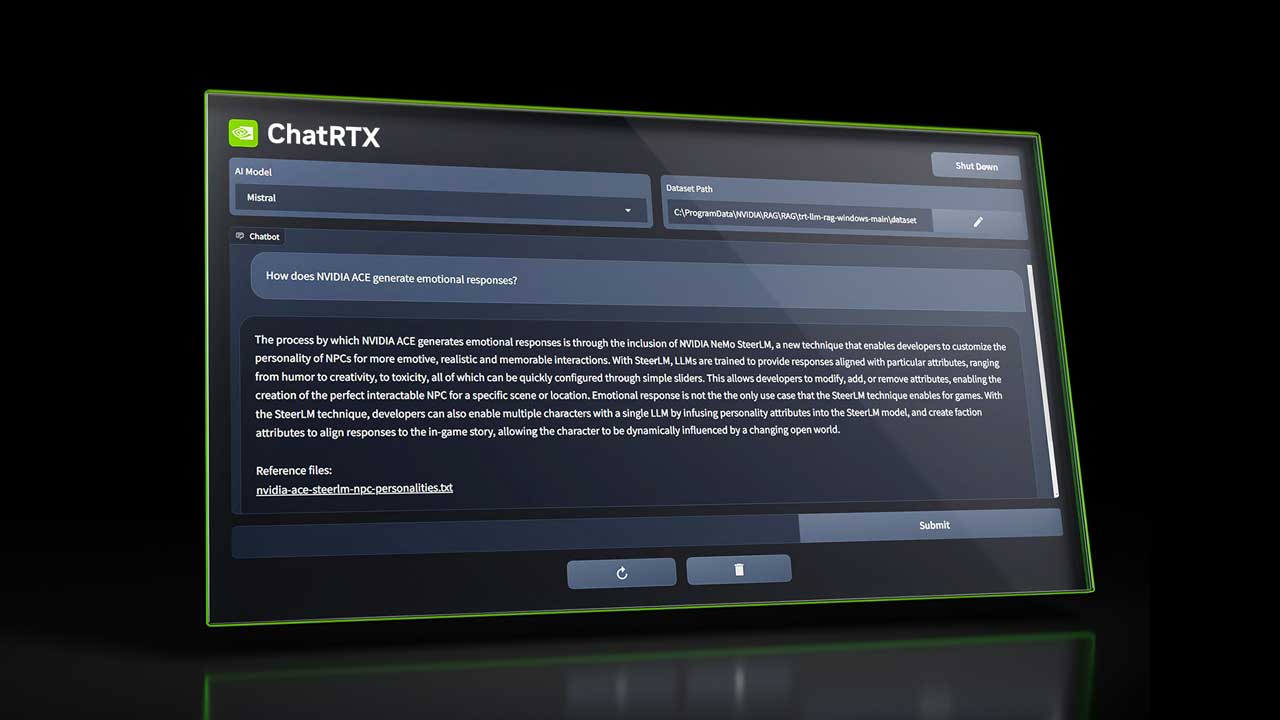
Use AI as a research tool, not a replacement for creativity.
Wrapping It All Together
Understanding user intent is the foundation of effective content strategy. It’s what separates content that converts from content that just exists.
The bottom line? When you create content that matches user intent perfectly, you get better rankings, more qualified traffic, and higher conversion rates.
Start by analyzing the intent behind your target keywords. Then create content that serves that intent better than anything else out there.
Remember: 73% of marketers believe storytelling is essential for creating deeper customer relationships. Combine this with intent-based content strategy, and you have a recipe for content that not only ranks but actually drives business results.
The content landscape is competitive. When you understand what your audience really wants and create content that delivers it, you’ll stand out every time.