As technology advances and new features emerge, virtual reality has moved beyond gaming into broader entertainment territory, including online casinos, live dealer options, and new forms of digital interaction. For Filipino players, this shift is happening faster than many realize.
This article will help you understand what VR means for iGaming, where the technology stands today, and what players in the Philippines can realistically expect as the space continues to develop.
Table of Contents:
What VR Actually Means for Online Casino Players
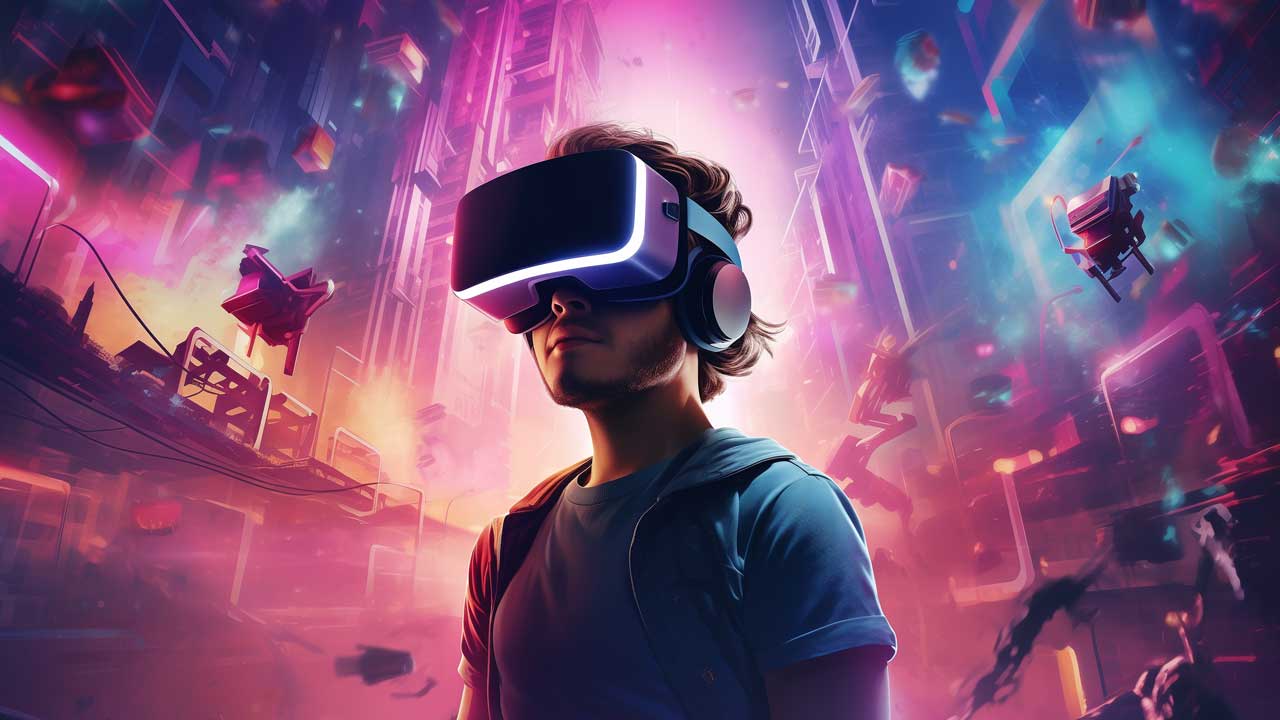
Most online casinos today are mobile and browser-oriented, where tapping a screen or using a mouse is how you place bets, spin slots, or join a live dealer table. VR takes that further. With a headset on, players can step into a three-dimensional environment where the casino exists around them – card tables, slot machines, and other players are visible in the space, not on a flat screen. You interact by moving, reaching, and looking, rather than clicking.
The difference between traditional gameplay and VR is not just visual. In a standard online session, the connection to the game feels indirect. In a VR setting, the players sit at a virtual blackjack table and watch the dealer shuffle cards in front of them, making decisions in real time. It is a closer match to what a physical casino feels like, without leaving home.
For anyone who wants to see how leading operators are approaching this shift, you can learn more about 22Bet casino on this page, including how its current game selection sits alongside where the industry is heading with immersive technology.
Where the iGaming Industry Stands With VR Right Now
VR casino games are real and available, but they have not yet reached mainstream adoption. A handful of operators have built dedicated VR environments where players can try poker rooms, slots, and live dealer tables in a fully digital setting. Those with a compatible headset can access these games today, but most players are still sticking to standard browser and mobile options.
The main barrier is hardware cost. A capable VR headset ranges from a few hundred to over a thousand dollars, which most casual players are not willing to spend when mobile access is free. Internet speed is another factor – VR environments need a fast, stable connection to run without issues, and in markets where connectivity is still inconsistent, that limits who can actually use the technology.
The result is that VR sits in an early adoption phase. The technology works, the games exist, and some operators are investing in the space, but widespread use is still some years away for most players globally.
Early VR Casino Titles Worth Knowing
A few early titles give a clear picture of where VR casino gaming started and what it looks like in practice:
- SlotsMillion VR – one of the first dedicated VR casino sites, offering a virtual room with over 40 slot machines accessible via headset.
- PokerStars VR – a multiplayer poker environment where players interact as avatars around a virtual table in real time.
- Casino VR Poker – an early social VR poker title focused on recreating the feel of a live poker room with other players present.
- Immersive Roulette (Evolution) – not full VR, but a high-definition multi-camera live table format that bridges standard streaming and immersive play.
- AltspaceVR Casino Environments – social spaces where casino-style games are hosted in a shared virtual room format.
What Filipino Players Can Realistically Expect in the Next Few Years
The Philippines is not the first market that comes to mind for VR services adoption, but the conditions for gradual uptake are developing. Smartphone penetration continues to rise, and internet infrastructure is improving, particularly in urban centers. PAGCOR‘s regulatory framework provides a clear structure for licensed online operators, helping stabilize the sector.
These factors will not fast-track full VR casinos into Filipino households, but they do set the ground for future progress. The more likely near-term shift involves lighter AR and VR hybrid features, such as immersive live dealer games and enhanced 3D interfaces, which require less hardware investment and work well on mobile devices. As 5G coverage expands and connection speeds improve, these features will become accessible to a wider audience nationwide.
How Operators Are Preparing for the VR Shift
Not all online casinos are waiting for VR to go mainstream – many are already preparing for the shift. Leading operators actively monitor how the technology is developing, allocating resources to test VR environments and track software advancements moving in that direction. The pace varies, but the direction is consistent: operators who ignore the shift risk falling behind as adoption accelerates.
Live dealer studios are widely seen as the bridge between what exists today and full VR integration. Multi-camera high-definition setups, real-time interaction with dealers, and stronger production values are already moving the standard online session closer to a physical casino feel. These investments lay the groundwork for a smoother transition when VR formats become viable at scale.
For context on how this plays out in practice, looking at how 22Bet casino in the Philippines currently handles its live dealer offerings gives a reasonable sense of where prepared operators stand. Across the industry, common preparation steps include:
- Improving streaming infrastructure to support higher-bandwidth formats
- Running small-scale VR environment tests alongside existing game offerings
- Partnering with VR and AR technology firms to stay close to development cycles
Conclusion
VR is no longer just a concept – it is a technology in active development, with real games, real operators, and a clear direction that could potentially change many everyday experiences. For Filipino players, the full version of that shift is still some way off, but the underlying conditions – improving connectivity, mobile-first habits, and a regulated market – point to gradual, steady progress.
The more immediate opportunity lies in the hybrid features and immersive formats that sit between today’s standard online casino and a fully virtual platform. Players who stay informed about how operators are developing their offerings will be well placed to take advantage of what comes next.